


In today’s highly competitive business landscape, sales development representatives (SDRs) are realizing the potential of data analytics tools to sharpen their sales strategies.
With such tools, SDRs can gain actionable insights, helping make more informed decisions that enhance customer engagement and boost revenue.
Organizations can transform cold calling into warm conversations and predictive prospecting by seamlessly integrating data analytics into sales.
The strategic use of analytics empowers SDRs to personalize interactions and optimize their lead nurturing efforts for maximum impact.
In this article, we’ll uncover the transformative power of data analytics in redefining sales development, paving the way for a more data-driven and efficient approach to achieving sales goals.
Key Takeaways
- Data Analytics Tools Empower Sales Development Representatives With Actionable Insights, Driving Informed Sales Decisions
- CRM and Predictive Analytics Platforms Are Transforming Sales Strategies Through Enhanced Forecasting and Customer Engagement Insights
- Artificial Intelligence and Machine Learning Are Reshaping Sales Enablement by Predicting Needs and Automating Processes
- Establishing Clear Metrics and KPIs Is Essential for Measuring the Effectiveness of Sales Analytics Initiatives
- Continuous Education and Integration of Sales Analytics Tools Are Crucial for Maintaining a Competitive Advantage in a Dynamic Sales Environment
Key Data Analytics Tools to Propel Your Sales Development
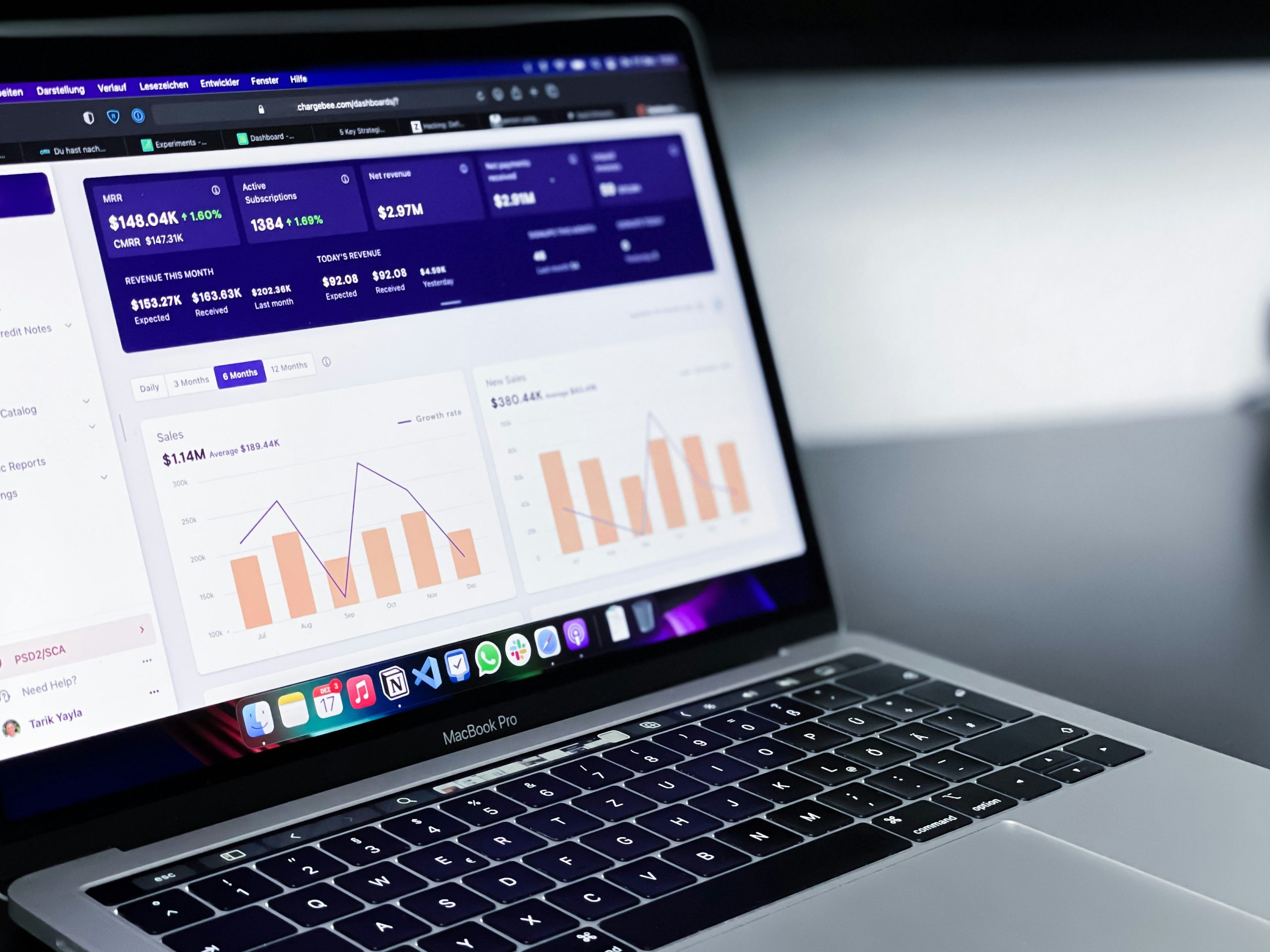
Within the competitive landscape of sales development, businesses must understand their customers’ needs, anticipate market trends, and optimize their outreach strategies.
Sales teams use cutting-edge data analytics tools to gain that competitive edge.
Customer relationship management platforms have become foundational assets, evolving beyond simple databases to tools offering actionable insights that can significantly improve prospecting efficiency.
Beyond basic analytics, predictive models offer an in-depth look at sales forecasting, enabling organizations to better prepare for future challenges and opportunities.
In an era focused on personalization and customer engagement, artificial intelligence emerges as a key player in revolutionizing how sales reps interact with prospects, adapting communication to reflect the customer’s behavior and sentiment.
Furthermore, data visualization techniques now provide clear and accessible ways to interpret complex sales data, solidifying strategies that might otherwise be lost in translation.
Lastly, with the advent of machine learning, sales teams have an unprecedented opportunity to uncover valuable sales opportunities through patterns and trends indiscernible to the human eye.
The collective power of these technologies is transforming sales enablement into a data-driven discipline capable of delivering refined customer experiences and driving revenue.
Leveraging CRM Platforms for Actionable Insights
Customer relationship management (CRM) systems are a cornerstone in the modern sales process, seamlessly integrating data collection and analysis for efficient management and sales enablement. These platforms store contact information and enhance the sales team’s understanding of prospects and customers through enriched data.
- CRM software captures interaction data, provides visibility into the customer journey, and helps identify areas ripe for engagement.
- It records every email, telephone conversation, and meeting, ensuring reps can build rapport and maintain a consistent dialogue with leads.
- With features like automated reporting tools and dashboard visuals, CRMs enable organizations to pinpoint trends and turn insights into actionable strategies for lead nurturing.
Integrating advanced analytics into CRM platforms empowers sales development representatives to tailor their approach, aligning with the target audience’s preferences and the sales navigator’s cues for optimal timing and messaging.
Utilizing Predictive Analytics for Sales Forecasting
Predictive analytics has revolutionized the realm of sales forecasting, providing sales teams with an enhanced ability to project future revenue and identify market opportunities. These tools digest massive amounts of data to reveal patterns and insights that guide informed decisions, enhancing the business’s health and allowing swift adaptation to changing market dynamics.
| Sales Period | Predicted Revenue | Confidence Level |
|---|---|---|
| Q2 2023 | $500,000 | High |
| Q3 2023 | $450,000 | Medium |
| Q4 2023 | $600,000 | High |
Implementing AI for Enhanced Customer Interaction
Empowering sales development requires more than just intuition and experience; integrating artificial intelligence is now a game-changer. AI infuses the sales cycle with more intelligent customer interactions, guiding sales reps to engage with insights tailored to the client’s preferences and previous behavior. By leveraging AI, organizations ensure that every touchpoint counts, enhancing the capacity for meaningful rapport and driving customer engagement to new heights.
Harnessing Data Visualization for Clearer Sales Strategies
Data visualization stands at the forefront of modern sales strategies, transforming extensive datasets into comprehensible graphs, charts, and heat maps. This visual approach to data allows sales teams to immediately identify patterns and outliers, providing a clear direction for their next strategic move:
| Region | Leads Generated | Conversion Rate |
|---|---|---|
| North America | 1200 | 25% |
| Europe | 800 | 20% |
| Asia-Pacific | 1500 | 30% |
The Role of Machine Learning in Identifying Sales Opportunities
As part of empowering sales development, machine learning stands out by sifting through complex data to reveal opportunities that may escape manual analysis. This technology predicts customer needs, foresees market trends, and spots potential leads with remarkable precision, becoming an indispensable tool for crafting a proactive sales process that drives results.
The Impact of Advanced Analytics on Sales Processes

Implementing advanced analytics enhances every aspect of the sales journey—from initial outreach to the final handshake.
By streamlining operations with automation tools, businesses experience a surge in productivity as time-consuming tasks are quickly automated, creating more room for strategic endeavors.
Precise personalization is achieved as data-driven strategies unfurl, allowing sales professionals to cater communication directly to the core of each prospect’s needs and interests.
Decision-making becomes razor-sharp when analytics inform the optimization of the sales funnel, ensuring that every step taken is guided by hard evidence rather than mere conjecture.
Lastly, targeting the right audience with gathered intelligence boosts conversion rates, turning prospecting into a more predictable and successful venture.
In this consummate ecosystem of data analytics, sales teams not only meet their targets, but the data analytics ecosystem exceeds them with precision and adaptability.
Streamlining Operations With Automation Tools
Automation tools have become indispensable in sales, offering a reprieve from repetitive and time-intensive tasks. They enable sales reps to focus on activities requiring a human touch, such as crafting tailored proposals or building client relationships. Enhance workflow efficiency with resources like email management and calendaring systems like Calendly, smoothing out daily operations and freeing up valuable time for strategizing and customer-centric initiatives.
Enhancing Personalization Through Data-Driven Strategies
Personalization has shifted from a nice-to-have to a must-have in sales, and data analytics tools play a pivotal role in this transformation. These tools scrutinize customer data, allowing sales teams to understand individual preferences and behaviors, resulting in highly tailored engagements. Tailoring interactions requiring adopting such technologies helps trust and relevance, significantly lifting conversion rates and fostering loyalty.
Optimizing Sales Funnel With Analytics-Driven Decisions
Analytics-driven decisions reshape the sales funnel, enabling teams to identify bottlenecks and optimize each stage for maximum conversion. With insights into customer behavior and sales interactions, businesses can fine-tune their approach, ensuring every prospect’s journey is smooth and compelling enough to push them to finetuned purchasing.
Boosting Conversion Rates Through Targeted Analysis
An integral aspect of modern sales development, targeted analysis enables sales teams to increase conversion rates by focusing on specific target market segments. This precise approach involves harnessing detailed insights from customer data, which informs more effective sales strategies and marketing campaigns. With a foundation in granular analytics, organizations can meticulously tailor their interactions to meet the nuanced demands of diverse prospect groups.
| Segment | Targeted Strategy | Conversion Rate Increase |
|---|---|---|
| Small Business Owners | Personalized Email Campaigns | 15% |
| Enterprise Executives | Custom Value Propositions | 20% |
| Startup Founders | Social Media Outreach | 18% |
Strategies to Integrate Data Analytics in Your Sales Routine

Incorporating data analytics tools is pivotal in the quest to bolster sales development.
By weaving these tools into the fabric of the sales routine, organizations can gain vital insights that revolutionize their sales approach.
Adopting a data-driven culture anchors the sales team in a more analytical, informed mindset, leading to more deliberate and effective decision-making processes.
Key to this transition is targeted training sessions aimed at equipping sales professionals with the skills needed to harness analytics tools to their full potential.
Establishing clear metrics and key performance indicators (KPIs) forms the bedrock for consistent sales performance analysis, ensuring the team’s efforts and strategies are measurable and aligned with company objectives.
Moreover, the agility to regularly revisit and fine-tune strategies based on the latest data analytics can maintain a sales operation at peak performance, responsive to the ever-shifting landscape of customer behavior and market dynamics.
Establishing a Data-Driven Culture Within Sales Teams
To foster a data-driven culture among sales teams, management must emphasize the importance of leveraging data analytics as a core aspect of the sales strategy. It requires cultivating an environment where every member, from the newest representative to the seasoned veteran, values the power of data and integrates this mindset into their daily tasks and decision-making processes. Encouraging an open exchange of insights and promoting the ongoing use of sales development tools can instill a collective habit of turning to data for clearer direction and superior outcomes.
Training Sessions for Mastering Analytics Tools
To cement data analytics as an essential skill, sales organizations are now prioritizing tailored training sessions for their teams. These focused workshops delve into the nuances of analytics platforms, equipping sales reps with the practical know-how to extract, interpret, and act upon the data they encounter daily:
| Tool | Skills Covered | Impact on Sales Process |
|---|---|---|
| HubSpot Sales | Lead Scoring, Email Tracking | Streamlined Prospecting |
| Salesforce Einstein | Opportunity Insights, Forecasting | Enhanced Predictive Analysis |
| Salesloft | Cadence Design, Sales Automation | Higher Engagement Rates |
Setting Up Metrics and KPIs for Sales Performance Analysis
When revamping sales strategies with data analytics, establishing clear metrics and key performance indicators (KPIs) is critical for gauging sales performance. These benchmarks measure success and pinpoint improvement areas, enabling sales teams to drive their efforts toward the most impactful activities and outcomes.
Regularly Reviewing and Adjusting Sales Strategies Based on Analytics
Success in an agile sales environment hinges on swiftly adapting strategies in response to analytics. By systematically evaluating sales data, an organization ensures its tactics remain dynamic, promptly embracing shifts in customer behavior and market conditions.
| Time Period | Strategy Adjustment | Outcome |
|---|---|---|
| Monthly | Refine lead qualification criteria | Increased lead quality |
| Quarterly | Adjust sales messaging based on sentiment analysis | Improved customer engagement |
| Bi-Annually | Optimize call scripts using conversion data | Higher closing rate |
Overcoming Challenges in Implementing Sales Analytics Tools

While data analytics have become a cornerstone for strategic sales development, their successful implementation is often met with hurdles that can hinder the full realization of their potential.
Sales teams face challenges ranging from ensuring data reliability to making intricate analytics accessible to those without a technical background.
The journey to empower a sales team with these tools necessitates a cohesive plan that identifies and addresses common barriers and guides the selection of analytics solutions congruent with the team’s unique dynamics and capabilities.
This section explores viable strategies to navigate these challenges effectively, ensuring that sales development roles are bolstered by insights, not burdened by complexities.
Addressing Common Obstacles in Data Tool Adoption
Embracing data analytics tools can often bring to light certain barriers that sales development representatives (SDRs) must navigate to benefit from the technology fully. One significant obstacle is achieving user adoption, ensuring that SDRs are not just aware of the tools but are proficient and consistent in using them. This proficiency is crucial as it impacts how effectively the team can integrate analytics into their sales process, prioritize leads, and personalize their outreach to match prospect behaviors and needs.
- Initiating an in-depth onboarding process to familiarize sales teams with new analytics tools.
- Fostering a supportive environment where questions and feedback on using tools are encouraged.
- Providing regular, hands-on training that highlights the practical benefits of analytics in daily sales activities.
- Regularly monitor usage and gather feedback to understand any resistance or challenges the team faces.
- Pairing analytics tools with intuitive interfaces and clear, step-by-step guidance to simplify the user experience.
- Highlighting success stories within the organization to demonstrate the positive impact of tool adoption on sales results.
Ensuring Data Quality and Consistency
Guaranteeing data integrity and uniformity is pivotal for sales development reps leveraging analytics tools. A solid, reliable data foundation is critical to generating accurate analyses, prompting organizations to implement rigorous data collection and validation protocols. By strongly emphasizing data hygiene practices, companies ensure sales teams have access to high-quality information, essential for effective sales forecasting and crafting customer-centric strategies.
Simplifying Analytics for Non-Technical Sales Teams
Translating the complex world of sales data analytics into something approachable for non-technical sales teams requires a thoughtful approach:
- Nurturing a learning culture that demystifies data science and celebrates incremental progress in data literacy.
- Employing user-friendly platforms that offer intuitive dashboards and visual aids to abstract the technicalities of data processing.
- Integrating contextual help and support within analytics tools, allowing sales teams to access guidance as they work.
These strategies help bridge the gap between advanced analytics capabilities and the day-to-day realities of sales reps, ensuring that advanced data tools become empowering resources rather than daunting obstacles.
Evaluating and Choosing the Right Tools for Your Team
Selecting the optimal data analytics tools demands a precise understanding of your team’s unique requirements and their specific challenges in the sales process. It’s essential for decision-makers to assess each tool’s features against their sales goals, ensure compatibility with existing tech stacks, and consider the tool’s scalability to support business growth, ultimately resulting in a well-informed choice that aligns with the organization’s objectives and enhances the sales team’s performance.
Measuring the Success of Your Sales Analytics Initiatives

Embracing data analytics is a pivotal shift within the sales domain, but properly gauging its impact is where the real value unfolds.
Companies must measure the success of their sales analytics initiatives to ensure that these new tools are not just an added feature but a core driver of sales development.
By identifying key performance indicators that align with analytics efforts, sales organizations can create continuous improvement cycles that refine their strategies.
Leveraging this data also empowers sales leaders to craft informed strategies for sustainable growth.
Real-life case studies further underscore the tangible benefits analytics bring to the sales process, serving as a testament to how data-driven decision-making can revolutionize sales outcomes.
Identifying Key Performance Indicators for Analytics Efforts
Determining the effectiveness of sales analytics involves setting clear key performance indicators (KPIs) that offer tangible benchmarks for assessment, from enhanced lead conversion rates to shortened sales cycles. These KPIs are vital signals that indicate whether sales strategies, sharpened by analytics, are truly hitting the mark and contributing to the bottom line.
| KPI | Target | Actual | Variance |
|---|---|---|---|
| Lead Conversion Rate | 30% | 35% | +5% |
| Average Sales Cycle Length | 45 days | 30 days | -15 days |
| Customer Acquisition Cost | $300 | $250 | -$50 |
Utilizing Analytics for Continuous Improvement Cycles
For sales organizations, using analytics to initiate continuous improvement cycles is a transformative strategy. By closely monitoring ever-evolving data, sales teams can pinpoint areas for enhancement, swiftly implementing changes that drive sustained growth and improvement. This dynamic process paves the way for ongoing optimization, positioning businesses at the forefront of sales development proficiency.
| Improvement Area | Analytics Insight | Implemented Change | Result |
|---|---|---|---|
| Lead Response Time | High conversion rates from quick responses | Reduced average response time | Increased lead conversions |
| Follow-up Frequency | Multiple touchpoints are needed for closing | Structured follow-up cadence | Higher close rates on nurtured leads |
| Content Engagement | Specific content types have higher engagement | Shift in content strategy to preferred formats | Growth in engaged prospect interactions |
Leveraging Insights for Strategic Sales Planning
Leveraging insights from data analytics equips sales leaders with the foresight needed for strategic planning. These vital analytics shed light on areas such as customer preferences, market trends, and sales cycle efficiencies, paving the way for refined sales strategies that align with evolving business landscapes and customer expectations.
- Evaluating customer data to tailor the marketing approach, ensuring content resonates with the target audience.
- Analyzing sales cycle data to streamline the sales process reduces the time from initial contact to a closed deal.
- Assessing market trends, adapting product offerings to meet shifting consumer needs, and staying ahead of competitors.
The Future of Sales Development With Data Analytics Tools

As businesses venture further into this terrain, they encounter a suite of emerging trends that leverage the full might of data analytics.
The upcoming section highlights the seamless integration of AI and machine learning into sales tools, anchoring systems that are not only smarter but highly adaptive to the complexities of customer engagement and market fluctuations.
With analytics at its core, the evolution of sales strategies is headed toward unprecedented precision, enabling sales professionals to anticipate needs and fine-tune their approaches with greater accuracy.
Thriving in this advanced sales environment demands agility and foresight, elements crucial for businesses intent on maintaining a competitive stride in an ever-evolving, data-centric marketplace.
Emerging Trends in Sales Analytics and Development
As technology advances, emerging trends in sales analytics are reshaping how organizations approach development, moving from reactive to proactive methodologies. Real-time analytics and AI-driven insights enable sales teams to predict customer needs and adapt to them swiftly, creating a dynamic sales environment where informed decision-making leads to increased effectiveness and customer satisfaction. These developments represent a significant leap forward, positioning businesses to harness the power of data for smarter, more calculated sales strategies that align with the fast-paced dynamics of modern markets.
The Integration of AI and Machine Learning in Sales Tools
The advent of AI and machine learning within sales tools heralds a new age of precision for sales development professionals. These innovations refine the predictive capabilities of analytics, allowing sales teams to identify patterns and buyer signals with incisive accuracy, thus paving the way for highly targeted and impactful sales strategies. The melding of these technologies equips reps with proactive insights, enhancing not just the customer experience but also the overall efficacy of the sales process.
Predictions for the Evolution of Sales Strategies With Analytics
As analytics tools evolve, they will likely become more intuitive, blending seamlessly with sales reps’ daily workflows and offering real-time guidance. Advanced analytics is set to become the backbone of strategic planning, providing a level of insight that can pivot sales tactics instantaneously, keeping sales strategies as dynamic as the fast-moving market itself.
| Year | Predictive Capability | Impact on Sales Strategy |
|---|---|---|
| 2023 | Lead Prioritization | More efficient allocation of sales resources |
| 2024 | Real-time Buyer Intent Data | Hyper-personalized customer interactions |
| 2025 | Integrated AI Analysis | Automated and optimized sales engagements |
Staying Ahead in a Data-Driven Sales Environment
In a fast-paced, data-centric sales landscape, the key to staying ahead lies in the agile adoption and intelligent use of sales analytics tools. Companies that continuously update their tech stack to include the latest in artificial intelligence, machine learning, and predictive analytics can decipher complex market behaviors, deliver personalized customer experiences, and make data-informed decisions more swiftly. Consequently, these savvy organizations remain competitive and set sales benchmarks within their industry.
Conclusion
Data analytics tools are pivotal in redefining sales development, transforming data into actionable insights for strategic decision-making.
By adopting analytics-driven methodologies, sales teams can precisely tailor their approaches, nurturing leads and personalizing customer interactions more effectively.
A continuous cycle of measurement and improvement ensures strategies remain relevant and impactful, keeping pace with market demands.
As sales environments grow more data-centric, integrating these tools is essential for any organization aiming to thrive in the competitive business landscape.