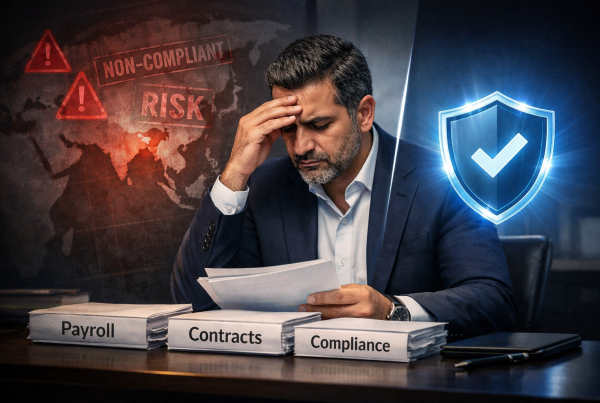


In today’s dynamic business world, staying afloat depends on being efficient and secure, especially when it comes to managing the operational risks in client accounts.
Virtual account managers, adept at early risk detection, transform potential threats into opportunities to demonstrate the account’s resilience and proactive stance.
With a mix of technology, strategic planning, and a deep understanding of what customers need, they act as the primary safeguard against unforeseen threats.
In this blog, we’ll delve into how these guardians of trust and security proactively manage risks to ensure the smooth operation of client accounts.
Key Takeaways
- Virtual Account Managers Enhance Client Security Using Tailored Risk Management and Technology
- Proactive Risk Management Relies on Continuous Evaluation and Adaptation to New Threats
- Collaboration and Transparency With Clients Are Essential for Effective Risk Management
- Regular Training and Feedback From Both Clients and Account Managers Sharpen Risk Mitigation Strategies
- Implementing Advanced Technologies and Methodologies Bolsters the Protection of Client Accounts
Identifying Risks in Client Accounts Before They Emerge

Spotting risks in client accounts before they become full-blown problems is crucial for safeguarding the interests of both the company and the client.
This proactive approach involves delving into the past to predict the future, creating a unique risk profile for every client, keeping a vigilant eye on account activities, and setting up sensitive alerts for any unusual behaviors.
This strategy not only prevents potential financial losses but also strengthens trust, enhancing overall customer experience.
Analyzing Historical Data for Predictive Insights
Virtual account managers use analytics to sift through mountains of historical data, searching for patterns and trends that might indicate a risk to a client’s account. This method allows them to forecast issues before they blow up, ensuring that actions can be taken to prevent any potential harm. By utilizing past information, they can create safety nets that are tailored to each client’s unique risk profile, making the management of operational risks more efficient and personalized.
Creating a Risk Profile for Each Client Account
To protect client accounts effectively, virtual account managers first construct a comprehensive risk profile for each client. This involves analyzing the client’s financial behavior, historical transactions, and even the wider economic and sector trends. By piecing together this puzzle, account managers can spot vulnerabilities and tailor their risk management strategies accordingly:
| Activity | Impact | Risk Level |
|---|---|---|
| Login from unusual location | Potential unauthorized access | High |
| Repeated password failures | Indication of attempted fraud | Medium |
| Large transaction in a new category | Possible account takeover | High |
Regularly Monitoring Account Activities for Red Flags
Virtual account managers stay on constant alert, constantly monitoring every client’s account activities for signs that spell trouble. This vigilance allows them to quickly spot unusual actions, such as strange login times or unexpected large transactions, indicating a potential security breach or fraud attempt. By catching these red flags early, they can take swift action to investigate and mitigate the issue, protecting the client’s assets and the company’s reputation.
Setting Up Alerts for Unusual Account Behaviors
Virtual account managers harness technology to design sophisticated alert systems that notify them of unusual account behaviors instantly. These alerts, which can range from multiple failed login attempts to sudden changes in spending patterns, serve as an early warning system. Armed with this information, they can quickly investigate and address any issues, effectively preventing potential threats to client security and financial integrity.
Implementing Custom Risk Mitigation Strategies

In the landscape of modern business, dynamic and tailored risk management strategies are not just beneficial but necessary.
Virtual account managers play a crucial role in this adaptive approach, designing and implementing risk mitigation plans that are as unique as each client they serve.
This involves a blend of tailoring risk management approaches to meet specific client needs, applying the latest industry best practices, engaging in productive team discussions to refine risk strategies, and staying ahead of current trends to ensure strategies remain effective.
The goal is clear: to create a fortified environment that not only predicts and prevents risks but also evolves with the shifting landscape of threats and opportunities.
Tailoring Risk Management Approaches to Client Needs
Virtual account managers shine in their ability to customize risk mitigation strategies to meet the specific needs of each client. Recognizing that each business has its unique challenges and threats, they develop personalized plans that ambitiously address these specific concerns. This precise targeting enhances the effectiveness of the risk management process, ensuring a higher level of security and satisfaction for the client.
| Client Need | Risk Mitigation Strategy |
|---|---|
| Enhanced Data Security | Implementation of multi-factor authentication and continuous security training |
| Operational Risk Reduction | Regular audits and vendor management reviews |
| Fraud Prevention | Advanced analytics for detecting suspicious transactions and real-time alerts |
Applying Industry Best Practices in Mitigation Efforts
Virtual account managers look to industry best practices to bolster their risk mitigation efforts. They note down directives and breakthroughs from leading financial and security institutions, whether that be implementing the latest in encryption technology or embracing cutting-edge analytics for real-time monitoring. This continuous adaption and implementation of proven strategies, grounded in the shared knowledge from sectors as diverse as banking in New York City to tech firms in San Francisco, fortifies their approach in protecting client accounts from emerging threats.
Facilitating Team Discussions on Risk Strategy Adjustments
Virtual account managers place a high priority on collaborative team discussions to finetune risk strategy adjustments. Recognizing that risks are dynamic and the landscape of threats constantly changes, they create a space for dialogue:
| Strategy Component | Adjustment Discussed | Expected Outcome |
|---|---|---|
| Data Privacy Enhancements | Introduction of stricter access controls | Reduction in unauthorized data access incidents |
| Fraud Detection Tools | Integration of advanced machine learning algorithms | Higher accuracy in spotting fraudulent activities |
| Customer Service Protocols | Implementation of proactive communication during security events | Improved customer trust and satisfaction |
These discussions are pivotal, ensuring that the team’s approach remains adaptable and effective against emerging risks. By collectively reviewing and updating strategies, they safeguard client accounts with precision and foresight.
Continuously Updating Strategies Based on Current Trends
In a rapidly changing world, virtual account managers maintain a sharp edge by continually refreshing their risk management strategies to align with current trends:
| Trend | Strategy Update | Impact |
|---|---|---|
| Growing Cybersecurity Threats | Enhance security protocols and invest in cyber intelligence. | Reduces vulnerability to cyberattacks. |
| Shift towards Remote Work | Implement secure, remote-access solutions. | Ensures safe, flexible access for clients and staff. |
| Advancements in AI and Machine Learning | Deploy AI-driven analytics for predictive risk modeling. | Improves accuracy and timeliness of threat detection. |
Building a Culture of Risk Awareness Among Account Managers

Strengthening the defenses of client accounts against potential risks requires creating a culture of risk awareness among account managers. This culture enables them to preemptively recognize and tackle risks.
Essential to developing this awareness are practices like holding frequent risk management training, encouraging open conversations about potential risks, rewarding the early identification and resolution of risks, and acknowledging successful risk management efforts.
These actions not only refine their abilities but also instill a sense of responsibility and pride in preserving the trust and integrity of client accounts.
Conducting Regular Risk Management Training Sessions
To establish a proactive approach to risk management among virtual account managers, hosting regular training sessions on risk management is crucial. These sessions serve as forums for sharing knowledge, where managers can stay informed about the latest trends in risk, discover new tools and methods for tracking and reducing risks, and enhance their strategies with practice scenarios and case studies.
| Session Focus | Tools & Techniques | Outcome |
|---|---|---|
| Cybersecurity Trends | Encryption, Multi-factor Authentication | Enhanced Account Security |
| Fraud Detection | AI-driven Analytics, Pattern Recognition | Better Precision in Identifying Fraud |
| Risk Mitigation Strategies | Risk Assessment Frameworks, Incident Response Plans | Improved Readiness and Response |
Promoting Open Discussions About Potential Risks
Open conversations about potential risks are a cornerstone in maintaining a robust defense against threats to client accounts. By encouraging account managers to speak freely about the dangers they perceive, companies can create a collaborative environment where insights and experiences converge to preemptively tackle challenges. This strategy not only demystifies the complexities around risk but also empowers each account manager to contribute to the collective security and stability of the organization.
Encouraging Proactive Identification of Client Account Risks
Encouraging proactive identification of client account risks hinges on imbuing account managers with a sense of ownership and vigilance. They are taught to see beyond surface-level activities, delving into data patterns that could signify deeper issues: from suspicious login attempts to irregular transaction volumes. This forward-thinking mindset is crucial for preempting issues that could compromise the integrity and security of client accounts.
| Risk Indicator | Action Taken | Outcome |
|---|---|---|
| Unusual Account Activity | Immediate Review and Verification | Prevention of Potential Fraud |
| Sudden Spike in Transaction Volume | Analysis and Client Consultation | Identification of Authorized vs. Unauthorized Activity |
| Irregular Login Locations | Security Checks and Password Resets | Enhanced Account Security |
Rewarding Successful Risk Identification and Mitigation
Rewarding account managers for their sharp eye and timely actions toward risk identification and mitigation goes a long way in fostering a dedicated and vigilant team. When account managers see their proactive work acknowledged, it not only boosts their morale but also encourages them and their colleagues to persist in their vigilance, ensuring client accounts remain secure and trust in the firm is upheld.
Leveraging Technology for Enhanced Risk Management

In today’s fast-paced business environment, leveraging technology plays a pivotal role in enhancing the effectiveness of risk management strategies for client accounts.
By integrating risk management software into their daily operations, account managers can now predict, report, and monitor risks with unprecedented precision.
Advanced tools such as AI and machine learning have revolutionized risk prediction, enabling account managers to foresee potential issues before they escalate.
Simultaneously, streamlining risk reporting and monitoring processes ensures that risk data is not only accurate but also readily accessible.
This immediacy allows account managers to make informed decisions swiftly, ensuring that client accounts are safeguarded against emerging threats in real-time.
Integrating Risk Management Software Into Daily Operations
Virtual account managers enhance their daily operations by implementing risk management software, seamlessly incorporating technology to streamline the detection and reporting of potential risks. This innovative approach empowers them to act swiftly, applying their knowledge and skills to protect client accounts against evolving threats. By embracing such tools, they ensure that both the company and its clients are better shielded from the unpredictable nature of online risks.
Utilizing AI and Machine Learning for Risk Prediction
Virtual account managers are now tapping into the power of AI and machine learning for risk prediction, marking a significant shift in how potential threats are identified. These technologies analyze vast amounts of data to uncover patterns that might indicate future risks, enabling proactive measures before issues can escalate. This advanced approach equips account managers with the insight needed to secure client accounts more effectively against unforeseen threats.
Streamlining Risk Reporting and Monitoring Processes
Virtual account managers streamline risk reporting and monitoring processes by integrating comprehensive software solutions. This approach simplifies the tracking of client account activities and issues, enabling a quick and informed response:
- Automation tools swiftly gather and analyze risk data, reducing human error.
- Customizable dashboards provide at-a-glance insights into account health.
- Real-time alerts ensure immediate awareness of potential risks.
Ensuring Real-Time Risk Data Is Accessible to Account Managers
Ensuring real-time risk data is accessible to account managers is pivotal for the swift identification and mitigation of threats to client accounts. This access allows them to act with agility, making informed decisions based on the latest information. It’s a crucial component in maintaining the health and security of client accounts:
- Automation tools gather and process risk data efficiently, offering instant updates.
- Customizable dashboards provide a comprehensive view, allowing quick assessment and action.
- Real-time notifications alert account managers to potential risks, enabling prompt response.
Maintaining Transparent Communication With Clients About Risks

Transparent communication with clients forms a cornerstone of effective risk management in client accounts.
It not only provides clarity on the protective measures in place but also fosters a partnership between clients and account managers focused on safeguarding financial interests against potential risks.
Tackling this involves setting clear expectations for the risk management process, promptly reporting any identified risks and the steps planned to mitigate them, and consistently engaging in honest discussions about potential vulnerabilities.
Moreover, involving clients in the planning phase of proactive risk management strategies allows for a unified approach to navigating the complexities of financial security, ultimately building trust and ensuring a more resilient defense against unforeseen risks.
Setting Expectations for Risk Management Processes
Setting expectations for the risk management process is a critical step in fostering a strong relationship between clients and virtual account managers. It lays the groundwork for transparent communication, ensuring clients understand the proactive measures taken to safeguard their accounts. Detailed explanations about the risk identification, assessment, and mitigation strategies are shared, providing clients with insight into how their financial interests are being protected.
- Clients are briefed on how risk assessments are conducted for their accounts.
- Details on the frequency and types of risk monitoring activities are shared.
- Explanation of the steps taken when potential risks are identified.
Reporting Identified Risks and Planned Mitigations Promptly
Swiftly sharing information about identified risks and the corresponding actions planned to tackle them is a key aspect of maintaining trust between clients and account managers. This approach ensures that clients are not left in the dark about the safety of their finances, providing them with peace of mind. By keeping clients informed, account managers reinforce the partnership aimed at mutual protection against potential threats.
Building Trust Through Consistent and Honest Risk Discussions
Building trust through consistent and honest risk discussions cements the bond between clients and account managers. When account managers openly share insights and updates about the welfare of client accounts, it reassures clients that their financial well-being is taken seriously. This transparency becomes the foundation of a trust-based relationship, pivotal for navigating through the complexities of risk management together.
- Clients receive timely updates on any risks identified within their accounts.
- Account managers provide clear, straightforward explanations of mitigation strategies.
- Open dialogue encourages clients to voice their concerns and preferences regarding risk management steps.
Engaging Clients in Proactive Risk Management Planning
Inviting clients into the proactive risk management planning process distinguishes exceptional virtual account managers. This engagement ensures that clients not only understand but also contribute to the strategies designed to protect their financial interests:
| Client Involvement Stage | Benefits |
|---|---|
| Initial Risk Assessment Meetings | Ensures client’s specific concerns are understood and addressed. |
| Regular Risk Strategy Updates | Keeps clients informed and allows for feedback on risk management approaches. |
| Review of Mitigation Success Stories | Builds trust by demonstrating the effectiveness of proactive measures. |
Evaluating and Refining Risk Management Processes Regularly

Proactive risk management in client accounts is not a set-it-and-forget-it operation.
It requires continuous evaluation and refinement to ensure its effectiveness in protecting against emerging threats.
This ongoing process begins with assessing how well current strategies are performing.
Feedback from both account managers and clients plays a critical role, providing insight into the practicality and impact of the implemented measures.
By identifying areas where processes can be improved, virtual account managers can make informed adjustments, thereby strengthening their approach to safeguard client accounts more effectively.
This section delves into the importance of regular reviews, soliciting constructive feedback, pinpointing improvement opportunities, and the implementation of changes aimed at enhancing proactive risk management efforts.
Assessing the Effectiveness of Current Risk Management Strategies
Ensuring the current risk management methods are up to the task begins with a deep dive into their performance. By gathering data and feedback on the effectiveness of their strategies, virtual account managers can discern whether the safeguards in place adequately protect client accounts against the spectrum of threats they face. This critical analysis empowers them to fine-tune their approaches, guaranteeing not just compliance, but enhanced security and client confidence.
Soliciting Feedback From Account Managers and Clients
Soliciting feedback from account managers and clients is a vital step in keeping risk management strategies sharp and client-focused. This direct input highlights areas for improvement:
| Feedback Source | Feedback Type | Actions Taken |
|---|---|---|
| Account Manager | Need for faster risk reporting tools | Integration of real-time alert systems |
| Client | Request for more detailed risk communication | Enhanced transparency in risk reporting processes |
Identifying Areas for Process Improvements
Identifying areas for process improvements is a continuous journey for virtual account managers dedicated to reinforcing client account security. They closely examine the efficacy of their strategies, always on the lookout for technological advancements or analytical methods that could enhance their risk detection and mitigation capabilities. This proactive stance empowers them to adapt to new threats swiftly, ensuring client accounts are always one step ahead of potential risks.
Implementing Changes to Enhance Proactive Risk Management
Implementing changes to enhance proactive risk management involves a dynamic approach: account managers must continuously seek out and integrate new technologies and methodologies that bolster client account security. This process not only adapts to the evolving landscape of threats but also ensures that strategies are ahead of the curve, providing superior protection to clients’ financial assets.
| Change Implemented | Reason for Change | Expected Benefit |
|---|---|---|
| Upgraded Analytics Tools | To detect fraud more quickly | Reduced financial loss from fraudulent activities |
| Enhanced Encryption Techniques | Strengthen data privacy | Increased client trust in account security |
| Automated Risk Alert System | Speed up threat detection | Immediate action on potential risks, minimizing impact |
Conclusion
Proactive risk management in client accounts is essential for ensuring the financial well-being and security of clients while safeguarding the reputation and interests of the managing organizations.
Through the meticulous analysis of historical data, the creation of bespoke client risk profiles, continuous monitoring of account activities, and the implementation of sophisticated alert systems, account managers preemptively identify and mitigate potential risks.
By tailoring risk management strategies to each client’s unique needs, leveraging industry best practices, and fostering a culture of risk awareness within their teams, account managers enhance the effectiveness of their risk mitigation efforts.
Additionally, the integration of advanced technologies such as AI and machine learning for risk prediction, and the maintenance of transparent communication with clients, play pivotal roles in staying ahead of emerging threats.
Regular evaluations and refinements of risk management processes, based on feedback from both clients and account managers, ensure the strategies remain effective and responsive to new challenges.
In essence, proactive risk management by account managers is crucial for nurturing trust, ensuring client satisfaction, and securing financial assets against unforeseen threats.