

Navigating a remote team requires more than just reliable internet and software. Trust, effective task management, and communication are crucial. With technology enabling global collaboration, physical distance becomes irrelevant. Clear goals, regular updates, and open communication keep teams aligned and productive. By leveraging project management tools, remote teams can overcome barriers and achieve success, turning collaborators into a cohesive unit ready for any project.
Keep reading to discover practical strategies for cultivating this essential ingredient in your remote marketing team.
Key Takeaways
- Building Trust in a Remote Team Is the Foundation for Successful Collaboration and Productivity
- Clear Communication and Goal Setting Are Important for Creating a Remote Work Culture of Accountability
- Regular Check-Ins and Empathetic Leadership Help Remote Team Members Feel Connected and Valued
- Transparency From Management Encourages an Open Culture Where Team Members Openly Contribute and Share
- Balancing Work and Personal Life Leads to Increased Productivity and Job Satisfaction Among Remote Workers
Why Trust Is Essential to Leading Remote Teams
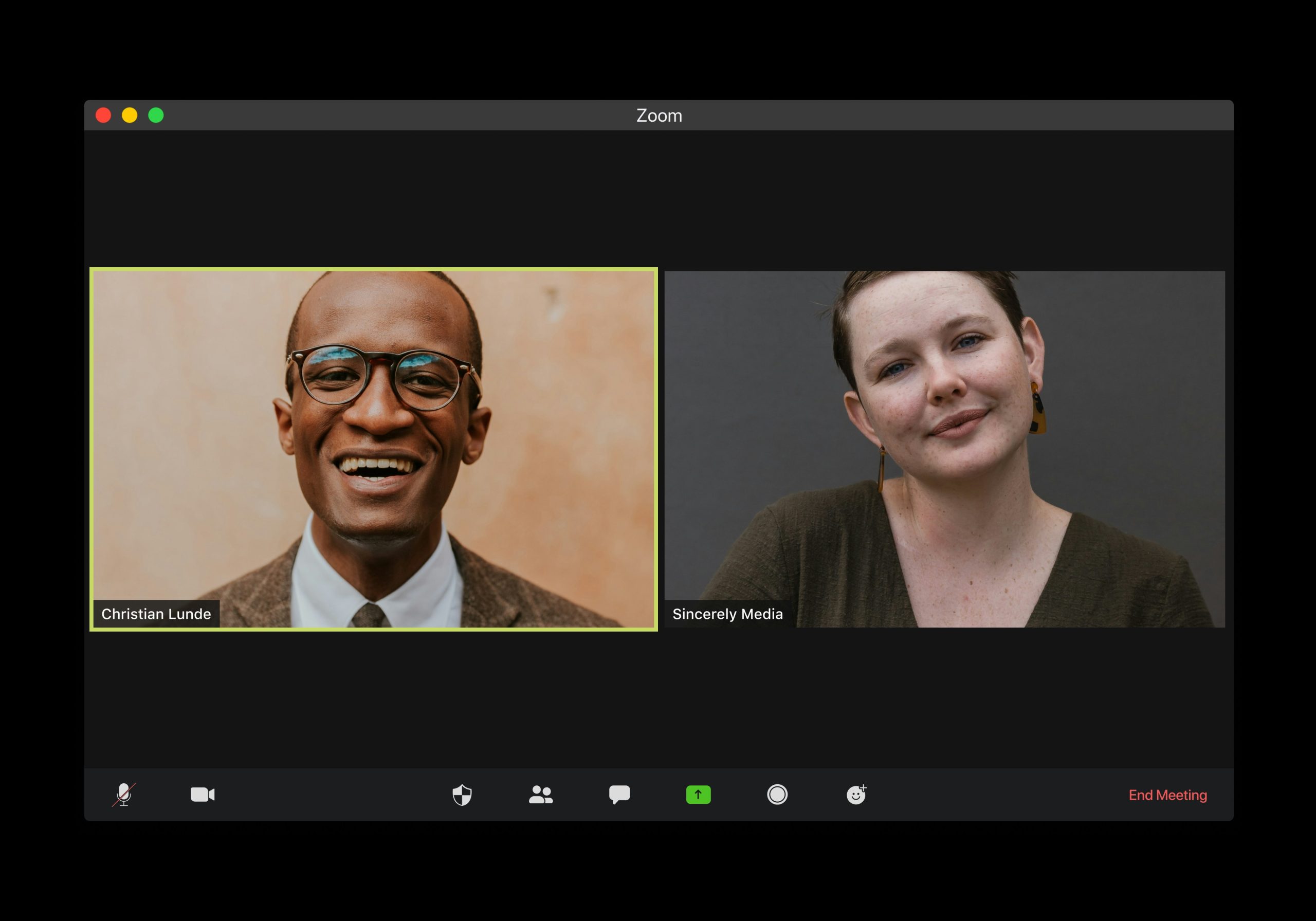
In a landscape where office walls are replaced by digital chat rooms, trust is the bedrock of successful team building. Using tools like Microsoft Teams, remote marketing teams thrive on trust that boosts creativity and productivity. Managers of these distributed teams face challenges in fostering unity and motivation, usually from in-person interactions.
Hence, instilling two-way trust is not just a suggestion—the gears of remote work need to turn smoothly and effectively.
Managing Remote Teams Requires Two-Way Trust to Work
When team members confidently rely on each other’s accountability, conflict resolution becomes a path to growth rather than a roadblock. Open feedback channels and fair evaluation practices underpin this dynamic, ensuring everyone on the team feels heard and valued. Moreover, a leader’s accessibility can reassure remote employees that they’re not navigating challenges alone, reinforcing that trust runs both ways.
Strategies for Building Trust and Accountability

Trust binds a team’s communication, problem-solving, and innovation in remote work. Strong leadership that cultivates trust and sets clear communication expectations is key to reducing turnover. Goals foster accountability, while regular check-ins, transparency, and focusing on team engagement enhance connection. Encouraging employees to manage both workload and well-being builds a resilient team.
Lastly, version control isn’t just for code—it’s part of the evolving blueprint for remote collaboration.
Thus, involving the team in shaping their work experience creates a sense of ownership and loyalty, creating a robust, trust-centered environment.
1. Set Clear Expectations Around Communication
Establishing precise norms for team communication is the cornerstone of fostering effective collaboration and trust. Leaders who articulate these standards help prevent the pitfalls of micromanagement while enabling employees to understand their roles within the larger picture of team objectives. Recognizing the efforts of team members with expressions of gratitude also boosts employee engagement and contributes to a culture of appreciation.
| Component | Action | Outcome |
|---|---|---|
| Communication Expectations | Define clear protocols | Enhanced collaboration |
| Gratitude Practices | Show appreciation regularly | Increased employee engagement |
| Goal Setting | Involve the team in the process | Cohesive alignment on objectives |
| Micromanagement Avoidance | Empower autonomy | Trust and responsibility |
2. Set Clear Goals That Foster Accountability
Brainstorming goals as a virtual team can boost a sense of shared mission and enable members to understand their unique contributions toward collective achievements. Such clarity enhances job satisfaction by providing a road map to success and fosters transparency within the team, establishing a sturdy foundation of accountability.
3. Set Aside Time for Regular Check-Ins
Regular check-ins carve out necessary space for team leaders to build rapport and show empathy, which is vital for remote workers who might feel disconnected. These virtual meetups enable managers to read subtle cues like body language, providing insight that goes beyond spoken words. They also present opportunities for structured mentorship and brainstorming sessions, where individual members can train and grow within the supportive framework of the team.
4. Lead With Transparency
Leadership transparency bridges remote teams in a digital workplace where separation can create barriers. By illustrating this value from onboarding through daily operations, leaders set a tone of openness that permeates the virtual space, encouraging team members to reciprocate and foster a transparent culture.
- From the first day of onboarding, demonstrate the importance of openness in all interactions.
- Consistently communicate the rationale behind decisions affecting the team’s work and dynamics.
- Reward transparency within the team, celebrating instances where clear communication has led to successful outcomes.
5. Monitor Employee Engagement, Not Productivity
Building trust in a remote environment means focusing on the human element of work, not just the output. By shifting the spotlight onto employee engagement, team leaders nurture a culture of trust in the workflow. This approach empowers staff with the confidence to take ownership of their roles, fostering a more cohesive and winning team adept at meeting project management’s demands.
6. Empower Employees to Manage Their Lives, Work, and Wellbeing
Encouraging team members to balance their personal and professional lives contributes to establishing psychological safety within the virtual office. Research shows that productivity and satisfaction rise in tandem when individuals feel valued and able to manage their workload alongside personal well-being. Leaders can create a knowledge base that supports this balance by documenting best practices and success stories.
| Aspect | Strategy | Benefit |
|---|---|---|
| Work-Life Balance | Encourage flexible schedules | Enhanced psychological safety |
| Lifelong Learning | Offer professional development | Continuous growth |
| Personal Wellbeing | Provide wellbeing resources | Improved employee satisfaction |
| Professional Achievement | Set achievable goals | Increased feelings of value |
7. Co-create a Remote Work Experience That Works for Everyone
When it comes to shaping a remote work experience, seeking input from the team cultivates a space where skill development, teamwork, and innovation are not just buzzwords but lived experiences that boost morale. Leaders can adjust strategies to support continuous learning and elevate job satisfaction by encouraging team members to share their insights and preferences.
- Involve employees in decision-making processes to enhance their skills and promote teamwork.
- Implement suggestions that spur innovation and maintain high morale within the team.
- Create learning opportunities that align with employees’ skills and career goals.
Conclusion
Fostering trust within remote marketing teams empowers members to navigate the unique challenges of distance with assurance and mutual accountability.
Through clear communication, leaders create a culture where each individual’s role is respected, ensuring satisfaction and shared success.
Regular check-ins and transparency advocacy help to survive the remote landscape and build deep connections, enhancing morale and collaboration.
By prioritizing engagement over mere productivity and valuing personal well-being, teams survive and thrive within the remote landscape.